
Sleep Apnea Dentist in Concord, NH
Custom Oral Appliance Therapy for Better Sleep — Without a CPAP
If you’re constantly going to bed early enough to get your full eight hours of sleep each night, but you still wake up feeling exhausted, you might feel puzzled. What you might not realize is that these symptoms could be due to sleep apnea, which is a fairly common sleeping and airway disorder. This condition doesn’t just cause loud snoring, though; it can also prevent you from getting the quality sleep you need to keep your overall health on the right track. This means that treatment is always warranted, and our team is here to help. You can learn more about sleep apnea by reading below, but if you suspect that you may be dealing with the condition, we encourage you to call us here at New Hampshire Airway Wellness Center today to schedule a consultation with Dr. Homsi.
Why Choose Charm Smile Dental for Sleep Apnea Treatment?
- Dedicated Sleep Dentist with Several Years of Experience
- Personalized Treatment Solutions for Every Patient
- Insurance Accepted and Financing Available
Why Concord Patients Choose Dr. Homsi for Sleep Apnea Care
Sleep apnea treatment requires more than a general understanding of dentistry — it requires specialized training in how the airway functions and how oral appliances interact with the structures of the jaw, tongue, and throat. Dr. Mahmoud Homsi completed a postgraduate residency in Dental Sleep Medicine and Orofacial Pain at Tufts University, one of the leading dental institutions in the country. This is a level of training that most general dentists in the Concord, NH area do not have.
At Charm Smile Dental, Dr. Homsi works in coordination with your sleep physician. Once you have a formal sleep apnea diagnosis — obtained through either an in-lab or take-home sleep study — Dr. Homsi fabricates and fits a custom oral appliance designed to keep your airway open during sleep. We offer Somnodent appliances, which are backed by a 3-year warranty and are among the most clinically studied oral appliances available.
We also accept medical insurance for sleep apnea treatment — not just dental insurance. Our team conducts a full benefits check before treatment begins and handles all claim filing on your behalf. If you're unsure whether you've been tested or diagnosed, we can help coordinate sleep testing arrangements through our network of sleep medicine physicians.
The Basics of Airway Health & Sleep Apnea
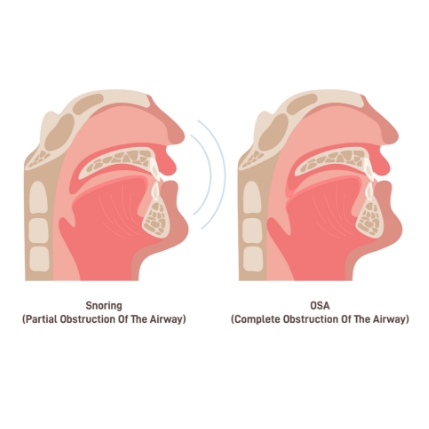
Sleep apnea refers to a condition that causes patients to stop breathing while they’re asleep. These episodes, called “apneas,” can occur dozens or even hundreds of times in a given night.
There are three main types of sleep apnea: obstructive, complex, and central. However, obstructive tends to be the most common type by a large margin. It’s caused by obstruction that occurs within the mouth and throat that impedes the natural flow of air. Central sleep apnea stems from a miscommunication between the brain and the respiratory system. Complex sleep apnea is essentially a combination of these two types.
Learn More About Obstructive Sleep Apnea
What Causes Sleep Apnea?
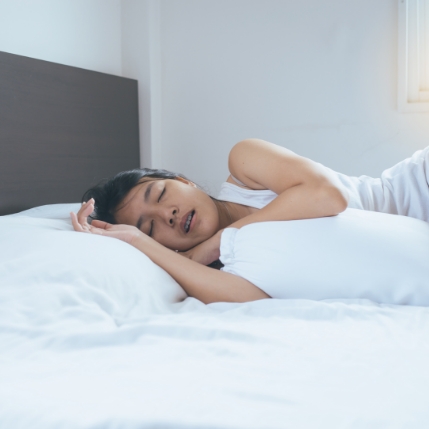
If you or a loved one has noticed that your breathing seems to repeatedly stop and restart while you’re asleep, chances are, you’re suffering from sleep apnea. These interruptions are often due to soft tissues in the mouth or throat collapsing. When the body’s breathing is interrupted, the brain must stir it from sleep in order to restore proper airflow—and this cycle repeats over and over again.
There are numerous reasons why this can occur, but a few of the most common risk factors for the condition include fat accumulation around the neck, drinking alcohol before bed, genetics, age, and different medical conditions.
Common Sleep Apnea Symptoms
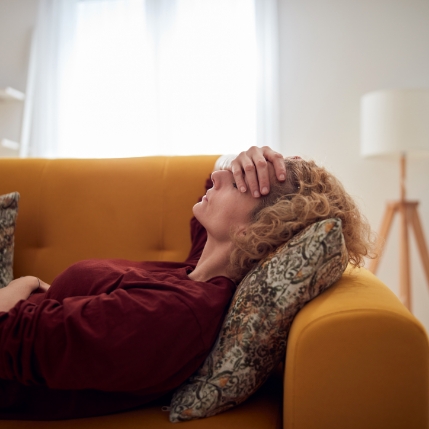
You might have sleep apnea if any of these symptoms sound familiar:
- You have been told that you often snore loudly.
- People have noticed that your breathing sometimes stops while you’re asleep.
- You occasionally wake up gasping or choking.
- You feel tired despite getting about 8 hours of sleep most nights.
- You frequently have trouble focusing or remembering.
- You are experiencing unexplained mood changes (with depression being a common example).
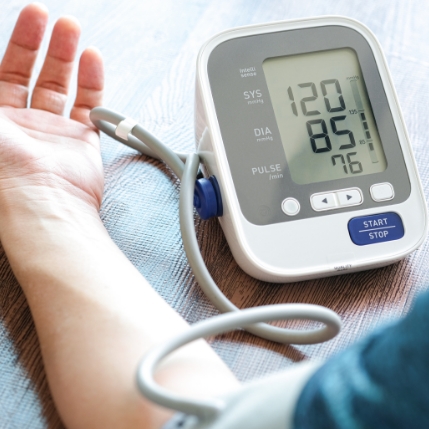
- You have high blood pressure (hypertension).
- You often wake up with a headache, jaw pain, or sore throat.
The Dangers of Airway Conditions Like Sleep Apnea
Sleep is critical to absolutely every aspect of your body’s health, including mental health, respiratory health, cardiovascular health, and metabolic health. This means that if your body’s normal sleep routine is disrupted by airway problems, it can potentially throw all of your systems into disarray. This is why sleep apnea has been linked to dozens of serious health problems, such as:
- Heart disease
- High blood pressure
- Stroke
- Diabetes
- Obesity, including unexplained weight gain and inability to lose weight
- Dementia, including Alzheimer’s disease
- Memory problems
- Depression and other mood disorders
- Sexual dysfunction
Many of these health conditions even have the potential to turn deadly, which is why people with untreated sleep apnea also have up to a 46% higher chance of premature death. Needless to say, it’s a condition that might seem innocent enough, but can truly have terrible consequences.
How is Sleep Apnea Diagnosed?
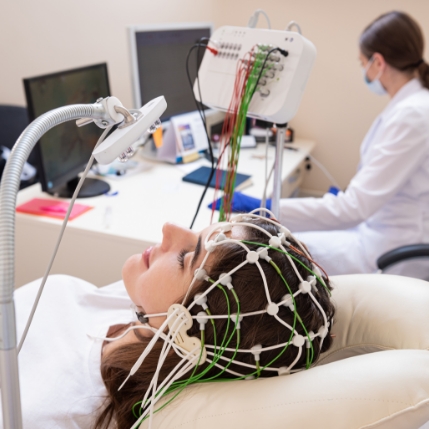
In order to receive a formal sleep apnea diagnosis, you will need to schedule what’s known as a sleep study, sometimes called a polysomnogram. Sleep studies can be conducted either in a sleep laboratory or clinic, or at home using an ambulatory sleep study device. In both cases, the test is completely painless and non-invasive, and it typically only takes one full night to collect the data needed to diagnose your sleep-airway condition.
Once you’ve been tested, the results are carefully analyzed by a sleep physician who can provide you with a definitive diagnosis. From there, it’s simply a matter of meeting with our team and letting us help you find the treatment that’s right for you!
Learn More About Oral Appliances
How is Sleep Apnea Treated?
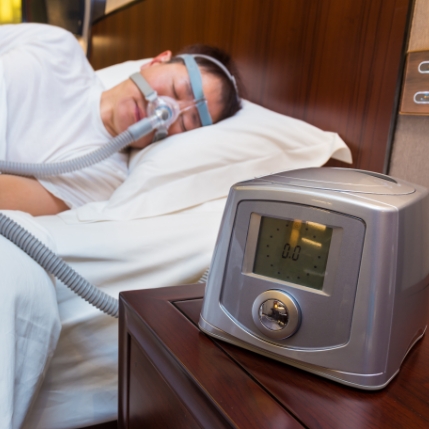
The most common way of treating sleep apnea, and what most people imagine when discussing the condition, is through the use of a CPAP machine. This method involves wearing a mask over the mouth that delivers oxygen through a hose to ensure you receive adequate airflow during the night. However, many patients aren’t able to effectively or comfortably use a CPAP machine, which is why alternative methods involving custom-made oral appliances have risen in popularity. These small, handy devices are worn to bed and can greatly reduce the chances of your breathing being interrupted, since they help to support your airway and keep it unobstructed.
Learn More About Sleep Testing
Benefits of Sleep Apnea Treatment

Seeking sleep apnea treatment doesn’t just mean better sleep—it also means a greatly improved overall quality of life. Most notably, with quality rest, you’ll find yourself with more energy throughout the day; you’ll be less likely to fall asleep at work or school, while driving, or while watching television, and that 4 pm nap that used to feel so necessary won’t be needed at all. You also might find yourself more likely to want to exercise and stay active, and your lung capacity can also improve.
Generally, you’ll also feel an improvement in your mood and memory. Plus, when it’s time to go to bed, you and your partner won’t have to worry about thrown elbows, tossing and turning, or disruptive snoring!
Sleep Apnea FAQs
Does everyone who snores have sleep apnea?
No, the presence of snoring does not automatically mean that a person has obstructive sleep apnea (OSA).
Snoring is just the sound that occurs when air moves past loose tissues in the upper airway, causing them to vibrate. Most people snore lightly on occasion. In many cases, it is harmless.
However, frequent heavy snoring is a red flag. The same tissues that vibrate can also completely block the airway, leading to the pauses in breathing that are the hallmark of OSA. If you snore frequently and have other symptoms of sleep apnea, you should certainly seek a professional assessment.
Can I diagnose sleep apnea on my own?
Sleep apnea is not self-diagnosable. In order to find out for sure whether you have OSA, you need to undergo a sleep test that is overseen by a qualified medical professional.
Of course, you should still monitor the quality of your sleep. You can keep track of things like bedtimes, wake times, how you feel in the morning, and any relevant factors that can affect sleep quality. Some people use a smart device to help them track these things. This data can help your medical team determine if you need to undergo an official sleep test.
Will my sleep apnea go away if I lose weight?
Maybe. In some cases, OSA occurs because extra fatty tissue around the neck and abdomen place pressure on the airway, causing it to collapse during sleep. For such individuals, even modest weight loss has the potential to greatly reduce or even eliminate symptoms.
However, it is important to note that OSA can have causes that are completely unrelated to weight and body fat. Therefore, even if you shed some pounds, you should continue to use your sleep apnea treatment. After another sleep test, your doctor might determine that you can stop using your treatment or adjust it.
How soon after starting sleep apnea treatment will I notice improvement?
Many people experience higher sleep quality the first night they use their custom oral appliance. However, it can take weeks of consistently good sleep before you experience optimum health benefits.
If you find it difficult to adapt to your appliance, reach out to our team. We may be able to adjust it or offer suggestions to help you get into a good routine with your treatment.
Are there home remedies for sleep apnea?
Certain lifestyle changes may reduce symptoms. For example, abstaining from alcohol and caffeine close to bedtime can help. Sleeping on your side, managing your weight, and regular physical activity can also be beneficial. Even things like essential oils and weighted blankets have the potential to help you fall asleep and stay asleep.
However, most cases of sleep apnea cannot be successfully addressed without professional care. A thorough sleep test, combined with treatment from a trained sleep dentist and/or sleep physician, is often the only way to keep OSA fully under control.
Can a dentist treat sleep apnea?
Yes — dentists with specialized training in dental sleep medicine can treat mild to moderate obstructive sleep apnea using custom oral appliances. Dr. Homsi completed a postgraduate residency in Dental Sleep Medicine and Orofacial Pain at Tufts University, which qualifies him to fabricate and fit these devices. The process works in coordination with your sleep physician: a sleep study provides the formal diagnosis, and Dr. Homsi then creates a custom appliance based on that prescription. The appliance repositions the jaw during sleep to keep the airway open and reduce or eliminate apnea episodes.
Is a CPAP machine required for sleep apnea?
CPAP is one effective treatment option, but it is not the only one. For patients with mild to moderate obstructive sleep apnea — and for patients with severe OSA who cannot tolerate CPAP — oral appliance therapy is a recognized and effective alternative. The American Academy of Sleep Medicine endorses oral appliances as a first-line treatment for mild to moderate OSA. Somnodent appliances work by repositioning the lower jaw slightly forward during sleep, which prevents the soft tissue of the throat from collapsing and blocking the airway. Many patients find oral appliances significantly easier to use long-term than a CPAP machine.
Does medical insurance cover oral appliance therapy?
In most cases, yes. Oral appliances for sleep apnea are typically billed through medical insurance rather than dental insurance. At Charm Smile Dental, we accept medical insurance for sleep apnea treatment and will conduct a free benefits check before beginning. Our team handles all insurance filing on your behalf. If out-of-pocket costs remain after insurance, CareCredit and Lending Club financing are available. We encourage you to call our office so we can review your specific plan and give you a clear picture of your coverage before committing to treatment.
How do I know if I have sleep apnea?
The most common signs of sleep apnea include loud snoring, waking up gasping or choking, persistent daytime exhaustion despite adequate sleep, morning headaches, and difficulty concentrating. However, not everyone with sleep apnea snores, and many people are unaware they stop breathing at night. A formal diagnosis requires a sleep study — conducted either in a sleep laboratory or at home with a take-home monitoring device. If you suspect you may have sleep apnea, start by speaking with your primary care physician or calling our office. Learn more about sleep testing and how it works.
How long does it take to get used to a sleep apnea oral appliance?
Most patients adjust to their Somnodent oral appliance within one to two weeks. Some initial soreness in the jaw, teeth, or gums is common as your mouth adapts to the new positioning — this typically resolves quickly. Because Somnodent appliances are adjustable, Dr. Homsi can fine-tune the fit at followup appointments to maximize comfort and effectiveness. Compared to CPAP therapy, compliance rates for oral appliances are significantly higher — they are small, silent, require no power source, and are easy to travel with.
Obstructive Sleep Apnea Sleep Testing Oral Appliance Treatment Sleep Apnea Treatment for Children